The Human Touch: How Small Elderly Care Houses Transform Assisted Living
Business Name: BeeHive Homes of Albuquerque NM - Assisted Living Facility
Address: 6401 Corona Ave NE, Albuquerque, NM 87113
Phone: (505) 221-6400
BeeHive Homes of Albuquerque NM - Assisted Living Facility
BeeHive Village is a premier Albuquerque Assisted Living facility and the perfect transition from an independent living facility or environment. Our Alzheimer care in Albuquerque, NM is designed to be smaller to create a more intimate atmosphere and to provide a family feel while our residents experience exceptional quality care. Memory loss, dementia and Alzheimer's disease are becoming quite pervasive in our society. Dementia care assisted living in Albuquerque NM offers catered memory care services, attention and medication management, often in a secure dementia assisted living in Albuquerque or nursing home setting. We invite you to come and visit our elder care and feel what truly makes us the next best place to home.
6401 Corona Ave NE, Albuquerque, NM 87113
Business Hours
Families typically pertain to assisted living with mixed feelings. Relief that aid is finally in sight. Guilt that they can refrain from doing whatever themselves. Worry of making the wrong option. I have actually sat at kitchen tables with daughters who have not slept properly in months and spouses who feel they are breaking a promise. The decision is rarely about logistics alone. It is about trust, self-respect, and whether a loved one will be treated as an entire individual rather than a bed to be filled.
That is where small elderly care homes alter the conversation.
Large assisted living communities have their place. They can offer a large range of amenities, on site medical staff, and foreseeable rates. But in the quieter corners of the senior care world, small homes with 10 to twenty citizens are reshaping what daily life can feel like in later years. Less like a center, more like a family that just has more support constructed in.
This is not a romantic fantasy. It features trade offs, guidelines, staffing challenges, and monetary realities. Yet when it works well, the human touch inside a small elderly care home can transform assisted living, respite care, and long term elderly care into something gentler and far more personal.
Why size modifications everything
Most people focus on area and cost when they initially compare choices for senior care. Size looks like a secondary detail, but it quietly affects nearly every other part of life in a care setting.
In a big assisted living complex with eighty or more homeowners, systems are constructed for efficiency. Staff operate in shifts. Care strategies are standardized. Activities are arranged in huge blocks. Food comes from an industrial kitchen. That does not immediately mean bad care, however it does suggest the design depends upon structure and throughput.
In a small elderly care home, the scale is completely various. Think about a transformed house with twelve citizens, or a function developed cottage design home with sixteen spaces wrapped around a central living and dining area. The personnel know every resident by name, however more notably, they understand how everyone takes their tea, which football team they follow, and what time they naturally get up if no one rushes them.
The ratio of locals to caregivers tends to be lower. In practice, that might indicate one caregiver for 4 to 6 homeowners throughout the day, instead of one caregiver for ten or more in a larger setting. Ratios differ by jurisdiction and skill level, however in my experience the smaller the home, the much easier it is to match staffing to the people rather than to the building.
A smaller environment also suggests fewer layers between a family and the person in charge. You are more likely to satisfy the owner or director in the corridor, see them putting coffee, and know who to call if something feels off. That distance changes the tone of accountability.
Daily life when the scale is human
Families typically ask, "What does a typical day appear like here?" They are not simply asking about activities. They want to know whether their mother will be hurried through early morning care or left to fretting in front of a television for six hours.

In small homes, the rhythm of the day tends to follow locals rather than a master schedule printed on glossy paper. Breakfast might be drawn out over 2 hours, with early birds consuming first and late sleepers wandering in when they are ready. Personnel can adjust, since they are not serving fifty plates at once.
Laundry is typically performed in a regular household device where homeowners can see and take part. Some will fold towels or sort clothes simply because it feels familiar. I keep in mind one retired teacher who demanded ironing pillowcases. The group might quickly have said no, citing security and time, but they made area for it. That small task anchored her, and her agitation decreased significantly in the afternoons.
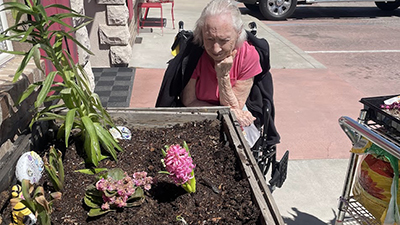
Activities in small elderly care homes do not need to be grand to be meaningful. Planting herbs in containers, baking one tray of cookies, or checking out the local paper aloud at the table can be enough. The point is not to amuse citizens as if they were hotel visitors. The objective is to keep them participated in regular life.
Meal times are a good base test. In a smaller setting, you are more likely to see staff sitting at the table, consuming together with homeowners, and carefully cueing those who require aid instead of standing over them with a spoon. Individuals talk, joke, grumble about the soup, and ask for seconds. That social fabric becomes part of care.
The power of familiarity for memory loss
For older grownups coping with dementia, the size and feel of the environment can matter just as much as medication and formal therapies.
Large assisted living facilities often overwhelm locals with long corridors, similar doors, and crowded dining rooms. It becomes simple to get lost or withdraw. Families explain loved ones who spend most of the day in their space since the typical areas feel chaotic.
Small elderly care homes naturally restrict the variety of stimuli. Fewer people pass through. Directions like "your space is the 3rd door on the left after the kitchen area" really make good sense. Staff have the time to stroll with somebody rather than just pointing.
I remember a gentleman with moderate dementia who had actually stopped working in 3 previous positionings. He roamed, tried to exit, and became aggressive when redirected. In a small home, with a totally enclosed garden and a front door that required a discreet keypad, personnel let him stroll. They learned his loops, joined him for part of each circuit, and used those walks to talk about his years in the navy. His habits did not magically vanish, however his distress dropped considerably due to the fact that he was no longer being physically blocked in passages he did not recognize.
Familiar routines likewise reduce anxiety. In big settings, personnel modifications, firm workers, and rotating tasks imply homeowners see numerous faces. In a small home, the team is tighter. Citizens typically know exactly who will help them gown, who washes their hair, and who brings their evening medication. That predictability can make the distinction between cooperation and resistance.
Relationships that surpass a chart
One of the most considerable advantages of smaller elderly care homes is relational continuity. Care strategies, fall danger evaluations, and medication lists are necessary, yet they just inform a portion of the story. The rest is held in human memory: the method somebody grimaces before they are in visible pain, the meaning of a specific sigh, the look that states "I am frightened but I do not want to say it."
In a small home, the same caregiver may support a resident for months or years. They witness the slow shifts that are easy to miss out on throughout a fast end of shift report. I once saw a caretaker stop a coworker from increasing a resident's anxiety medication. "Her hands shake more when she is exhausted," she said. "She was up twice last night since of the thunderstorms. Give her a nap after lunch and examine again." They did, and the shaking diminished. No dosage modification was needed.
Those kinds of nuanced calls are only possible when staff and homeowners genuinely know each other.
Relationships encompass households also. In a large assisted living setting, relatives are encouraged to talk to the nurse or the supervisor at scheduled times. In small elderly care homes, I have seen caregivers hold a phone beside a resident's ear so a child can state goodnight, or text a quick picture of Dad sitting under a tree, newspaper in hand. That flow of informal contact constructs trust and offers households a lifeline of reassurance without awaiting official care conferences.
Respite care in a homelike setting
Respite care is frequently an afterthought when families prepare for elderly care, yet it can be the tool that keeps a vulnerable home circumstance from collapsing. A brief stay for an older adult gives household caregivers a chance to rest, travel, or recover from their own surgery.
In large centers, respite locals often seem like short-lived add ons. Personnel are learning their requirements from scratch at the same time as the resident is trying to adjust to a brand-new environment. The experience can feel institutional and impersonal.
Small elderly care homes are usually much better positioned to use gentle, customized respite care, when they have a job and the right staffing. Since the scale is smaller, personnel can invest more time up front to understand a visitor's regimens: what time they like to shower, whether they view the news, which chair they gravitate toward. Households can often bring familiar bedding, pictures, or a favorite armchair without interrupting a big system.
One child told me she first attempted 3 days of respite for her mother in a small home "just to see if either of us might bear it". Her mother returned speaking about the dog that checked out and the stew they had on Sunday. The daughter slept for twelve straight hours that weekend for the very first time in years. That short stay gave them both self-confidence to consider a longer BeeHive Homes of Albuquerque NM - Assisted Living Facility senior care transition when caregiving in your home ended up being unsafe.
Respite stays also let families assess the culture of a home from the within. You see how personnel talk when they do not know anybody is listening, how they handle citizens who refuse medication, and what takes place if someone has a fall at 2 a.m. It is far easier to judge quality throughout a genuine stay than throughout a refined daytime tour.
Trade offs and limitations of small homes
Small does not immediately suggest much better. It indicates various, with its own strengths and weaknesses.
Specialized healthcare is the very first significant trade off. Large assisted living communities may have on website physical treatment, regular going to professionals, or an attached memory care system. A small elderly care home normally partners with outside companies. That can work well, however it needs coordination and in some cases more family participation to make sure appointments and follow up happen.
There is likewise less anonymity. Some residents take pleasure in the intimacy of knowing everybody; others prefer a little bit of range. In a twelve bed home, an argument at the table can feel intense. Personnel should be experienced in conflict resolution and in supporting locals who do not naturally get along, because there is no second dining room to leave to.
Financial structure is another aspect. Small homes typically have greater staffing expenses per resident, which can translate into higher regular monthly costs compared to mid tier assisted living in high volume facilities. At the exact same time, they might have less layers of business overhead and marketing costs, which can partially balance out those costs. The variation is wide, so families require to compare what is actually consisted of: individual care, medication management, incontinence materials, transportation, and social activities.
Regulatory oversight varies by area. In some jurisdictions, small homes fall under different licensing classifications than traditional assisted living, such as adult family homes, residential care homes, or board and care. The rules for staffing, nursing oversight, and allowed care jobs can vary. Families need to comprehend what medical needs can be fulfilled on site and when a hospitalization or transfer to a higher level of care would be required.
Finally, there is capability for progression. A resident whose care needs increase significantly may ultimately require a nursing home or experienced nursing center, no matter the setting they start in. A small home with only one night team member, for example, might not be able to safely support somebody who needs 2 person transfers around the clock. An excellent provider will be sincere about these limitations from the beginning.
Signals of a healthy small elderly care home
Choosing any type of senior care is part research study, part instinct. Households stroll into a home and sense something in the air: tension or ease, focus or tiredness. With small homes, that suspicion is especially useful, because the culture is so visible.
Here is one practical checklist that can help families assess whether a small elderly care home is most likely to supply safe, considerate assisted living or respite care:
- Smell and sound: The home smells like food and cleaning products in affordable quantities, not frustrating deodorizer or relentless urine. Background sound is moderate, with personnel speaking at regular volumes and homeowners not yelling for extended periods without response.
- Staff presence: Caretakers are visible, not hiding in a workplace. When they pass a resident, they make eye contact or provide a short welcoming, even if their hands are full.
- Resident engagement: Individuals are doing recognizable activities, even basic ones like reading, folding laundry, or talking. Television can be on, but it is not the only thing taking place all day.
- Transparency: The supervisor or owner is willing to discuss staffing ratios, training, and current regulatory inspections. Policies for falls, medical facility transfers, and end of life care are plainly explained.
- Flexibility: The home can describe how they adapt to private routines rather than firmly insisting that everybody follows a stiff daily timetable.
Beyond any list, watch how personnel discuss locals when they think you are not truly listening. A phrase like "our people" or "our ladies" originating from a location of affection is various from dismissive discuss "feeders" or "wanderers." Language reveals mindset.
Partnering with families instead of replacing them
One of the fears I typically hear is, "If I move Dad into assisted living, will they anticipate me to step back and let them manage whatever?" In big facilities, families often feel pushed to the sidelines by systems created for functional efficiency.
Small elderly care homes tend to be more versatile in including households as partners. There is more space to accommodate a daughter who wants to keep handling her mother's hair visits, or a child who chooses to manage all medical choices directly with the doctor. Staff can document those choices and incorporate them into the care plan without activating a bureaucratic chain reaction.
At the very same time, boundaries matter. Excellent homes secure both residents and relatives from unrealistic expectations. If a household caretaker demands a complex medication program that the home can not securely handle, leadership needs to describe why and work toward a feasible option. Collaboration does not suggest saying yes to everything. It suggests open dialogue and shared respect.

I have actually seen some of the most gorgeous examples of cooperation in small homes at the end of life. Families bring in favorite blankets, music, or religious routines. Staff who have understood the resident for many years sit quietly at the bedside, offering sips of water, a cool cloth, or just presence. The line in between "family" and "staff" softens, and the focus shifts to comfort and companionship more than to clinical tasks. That is not unique to small homes, however the setting typically makes it easier.
When a small home is not the right fit
Despite the many benefits, small elderly care homes are not ideal for every person or every situation.
Some older grownups genuinely enjoy the energy and variety of a big assisted living neighborhood. They thrive on huge activity calendars, live home entertainment, pool tables, physical fitness classes, and big dining halls. For somebody who spent their life in hectic social environments, a small home might feel too quiet.
Clinical intricacy matters also. An individual requiring frequent suctioning, advanced injury care, ventilator support, or complex intravenous treatments is likely to be better served in a competent nursing facility that is geared up and certified for that level of medical intervention.
Geography can be another restricting element. Small homes may not exist in every community, especially rural areas where regulations and staffing scarcities make them difficult to sustain. In such cases, a high quality mid sized assisted living with a strong memory care unit may be the most reasonable option.
There are also personal and cultural preferences. Some families desire clear expert range between staff and residents. Others value a more familial feel where everyone hugs and trades stories. A small home typically favors the latter. Visiting at various times of day, and talking honestly with both management and caregivers, is the very best way to evaluate fit.
Making a thoughtful choice
Choosing in between different designs of senior care is not about finding a perfect solution. It is about finding the most gentle, sustainable option given a specific person's needs, financial resources, history, and values.
Small elderly care homes bring a type of care that is challenging to replicate at larger scale: consistent relationships, flexible regimens, quiet spaces, and personnel who have the bandwidth to notice the little things. They can provide assisted living that feels closer to home, respite care that brings back both the older grownup and the family caretaker, and long term elderly care centered on dignity instead of throughput.
They likewise require careful analysis. Families should ask tough questions about staffing, training, medical oversight, and financial stability. A charming living room and a friendly tour are a starting point, not a final judgment.
For numerous older adults, the final years of life are formed more by daily information than by remarkable interventions. Whether somebody gets up when they select, whether a familiar voice answers when they call out during the night, whether their stories are heard and kept in mind, whether their final weeks are invested in turmoil or calm. Small homes can not guarantee perfection, but when thoughtfully run, they produce the conditions where that human touch is more likely.
That is the quiet improvement occurring throughout pockets of assisted living and senior care: not larger structures or flashier facilities, but smaller, steadier places where people still know one another by name, and where care looks a lot like normal life, supported instead of replaced.
BeeHive Homes of Albuquerque NM - Assisted Living Facility provides assisted living care
BeeHive Homes of Albuquerque NM - Assisted Living Facility provides memory care services
BeeHive Homes of Albuquerque NM - Assisted Living Facility provides respite care services
BeeHive Homes of Albuquerque NM - Assisted Living Facility supports assistance with bathing and grooming
BeeHive Homes of Albuquerque NM - Assisted Living Facility offers private bedrooms with private bathrooms
BeeHive Homes of Albuquerque NM - Assisted Living Facility provides medication monitoring and documentation
BeeHive Homes of Albuquerque NM - Assisted Living Facility serves dietitian-approved meals
BeeHive Homes of Albuquerque NM - Assisted Living Facility provides housekeeping services
BeeHive Homes of Albuquerque NM - Assisted Living Facility provides laundry services
BeeHive Homes of Albuquerque NM - Assisted Living Facility offers community dining and social engagement activities
BeeHive Homes of Albuquerque NM - Assisted Living Facility features life enrichment activities
BeeHive Homes of Albuquerque NM - Assisted Living Facility supports personal care assistance during meals and daily routines
BeeHive Homes of Albuquerque NM - Assisted Living Facility promotes frequent physical and mental exercise opportunities
BeeHive Homes of Albuquerque NM - Assisted Living Facility provides a home-like residential environment
BeeHive Homes of Albuquerque NM - Assisted Living Facility creates customized care plans as residents’ needs change
BeeHive Homes of Albuquerque NM - Assisted Living Facility assesses individual resident care needs
BeeHive Homes of Albuquerque NM - Assisted Living Facility accepts private pay and long-term care insurance
BeeHive Homes of Albuquerque NM - Assisted Living Facility assists qualified veterans with Aid and Attendance benefits
BeeHive Homes of Albuquerque NM - Assisted Living Facility encourages meaningful resident-to-staff relationships
BeeHive Homes of Albuquerque NM - Assisted Living Facility delivers compassionate, attentive senior care focused on dignity and comfort
BeeHive Homes of Albuquerque NM - Assisted Living Facility has a phone number of (505) 221-6400
BeeHive Homes of Albuquerque NM - Assisted Living Facility has an address of 6401 Corona Ave NE, Albuquerque, NM 87113
BeeHive Homes of Albuquerque NM - Assisted Living Facility has a website https://beehivehomes.com/locations/albuquerque/
BeeHive Homes of Albuquerque NM - Assisted Living Facility has Google Maps listing https://maps.app.goo.gl/3oqufzNUPNMqK22LA
BeeHive Homes of Albuquerque NM - Assisted Living Facility has Facebook page https://www.facebook.com/BeeHiveHomesAbq
BeeHive Homes of Albuquerque NM - Assisted Living Facility has an YouTube page https://www.youtube.com/channel/UCNFwLedvRtjtXl2l5QCQj3A
BeeHive Homes of Albuquerque NM - Assisted Living Facility won Top Assisted Living Homes 2025
BeeHive Homes of Albuquerque NM - Assisted Living Facility earned Best Customer Service Award 2024
BeeHive Homes of Albuquerque NM - Assisted Living Facility placed 1st for Senior Living Communities 2025
People Also Ask about BeeHive Homes of Albuquerque NM
What is BeeHive Homes of Albuquerque NM Living monthly room rate?
The rate depends on the level of care that is needed. We do a pre-admission evaluation for each resident to determine the level of care needed. The monthly rate is based on this evaluation. There are no hidden costs or fees
Can residents stay in BeeHive Homes until the end of their life?
Usually yes. There are exceptions, such as when there are safety issues with the resident, or they need 24 hour skilled nursing services
Do we have a nurse on staff?
Yes. We have a registered nurse on premise 40 hours/week. In addition, we have an on-call nurse for any after-hours needs
What are BeeHive Homes’ visiting hours?
Visiting hours are adjusted to accommodate the families and the resident’s needs… just not too early or too late
Do we have couple’s rooms available?
Yes, each home has rooms designed to accommodate couples. Please ask about the availability of these rooms
Where is BeeHive Homes of Albuquerque NM located?
BeeHive Homes of Albuquerque NM is conveniently located at 6401 Corona Ave NE, Albuquerque, NM 87113. You can easily find directions on Google Maps or call at (505) 221-6400 Monday through Sunday 9:00am to 5:00pm
How can I contact BeeHive Homes of Albuquerque NM?
You can contact BeeHive Homes of Albuquerque NM - Assisted Living Facility by phone at: (505) 221-6400, visit their website at https://beehivehomes.com/locations/albuquerque/ or connect on social media via Facebook TikTok or YouTube
Flying Star Cafe provides a comfortable, welcoming atmosphere suitable for assisted living, memory care, senior care, elderly care, and respite care visits.